Students
Current students
Doctoral

Project: “Nanomaterials with potential application towards melanoma treatment ”
The current project aims to investigate the antitumor activity of propolis through the application of nanotechnology techniques. This study evaluates the administration of propolis using nanofibers and nanogels to achieve controlled release, facilitating its interaction with the biological environment. This promising advancement suggests prospects for the development of a potential treatment for melanoma
Start: 2022
2020 – 2022 Master dissertation: “Development of in vitro multicellular three-dimensional coculture model of human melanoma to predict treatment efficacy“
Supervisor: Dr Carolina Camargo de Oliveira
Watch his video describing the project to a non-scientist audience
Optimization of the processing of demineralized dentin matrix and its application in a bioadhesive and thermoresponsive hydrogel for bone regeneration
The project aims to optimize the processing of demineralized dentin matrix particles and fully characterize the obtained material. A thermoresponsive and bioadhesive hydrogel will then be formulated in order to improve the applicability and bone healing properties of the demineralized dentin matrix.
Start: 2023
Supervisor: Dr Fernanda Fogagnoli Simas
Co-supervisor: Dr Claudia Eliana Bruno Marino


Project: “Antitumor potential evaluation of partially methylated mannogalactan (MG-Pe) extracted from the mushroom Pleurotus eryngii in human melanoma cell lines”
Previous data from our group show that the Pleurotus eryngii –derived polysaccharide (MG- Pe) exhibits antimelanoma activity in murine models (B16-F10, triple-negative), impacting metastatic phenotype and reducing in vivo tumor development without cytotoxicity. These beneficial, patented activities will now be investigated in human melanoma cell lines (BRAF, N-RAS, NF1 , triple-negative). Through phenotypic and molecular assays (RNA-seq, Western blot), this project seeks to validate MG- Pe efficacy in human models and elucidate its antimetastatic mechanisms.
Start: 2025
Supervisor: Dr Edvaldo da Silva Trindade
Co-supervisor: Dr Jaqueline Carvalho de Oliveira
Master
Project: “Immunotherapeutic potential of arabinoxylan from pineapple gum: antimelamona action mediated by macrophages”
The search of new cancer treatments that are less aggressive and toxic to healthy cells is desirable. Therefore this project aims to study the in vitro effects of a glucuronoarabinoxylana extracted from pineapple gum (ANP), on cell viability, morphology, and cytokines production by murine macrophages of RAW 264.7 lineage, to detect is ability to prompt the immune system against tumor cells.
Start: 2024
Supervisor: Dr Fernanda Fogagnoli Simas
Co-supervisor: Dr Carolina Camargo de Oliveira
2020-2023 IC Project: ”Immunomodulatory activity of arabinoxylans of vegetable gums”


Project: “Gum arabic-gold nanocomposites activity evaluation on human melanoma tumor microenvironment ”
Previous results from the LCIN Research Group highlighted the potential of gold nanospheres and nanorods functionalized with gum arabic in reducing malignant characteristics of murine melanoma cells, in addition to modulation of immune cells in the tumor microenvironment with in vivo studies. The present project aims to investigate the effect of nanocomposites on modulating the tumor microenvironment in human cells, as well as their influence on signaling pathways related to therapeutic resistance through three-dimensional cultivation.
Start: 2024
Supervisor: Dr Carolina Camargo de Oliveira
Co-supervisor: Dr Fernanda Fogagnoli Simas
Project: “Assessment of gold nanocomposite activity in melanoma cell lines
human: In Vitro Tests and Modeling of Biological Networks”
The project aims to evaluate the effectiveness of the gold nanocomposite on human melanoma cells. Using different cell lines with specific mutations, in vitro tests are carried out to investigate the effects of the treatment. Furthermore, biological network modeling, based on gene expression data, will be used to understand the mechanisms of action induced by the nanocomposite. The goal is to determine the effectiveness of the treatment and identify the cellular processes underlying its activity against melanoma.
Start: 2023
Supervisor: Dr José Eduardo Vargas
Co-supervisor: Dr Carolina Camargo de Oliveira


Project: “EVALUATION OF THE ANTITUMOR ACTIVITY OF ORGANOSELENIUM COMPOUNDS ON MELANOMA CELL”
Selenium plays essential roles in redox balance and protection against oxidative stress-induced damage, one of the main mechanisms involved in carcinogenesis. Its ability to modulate oxidative stress makes it a potential antitumor agent. Organic selenium-containing molecules have demonstrated therapeutic potential against melanoma through cell cycle arrest, induction of apoptosis, and modulation of MAPK/ERK signaling pathways involved in tumor progression. Recent studies suggest that these molecules exhibit higher biological activity, lower toxicity, and better bioavailability compared to inorganic forms, as shown in both in vitro and in vivo models. Considering the aggressiveness and high metastatic potential of melanoma, this project aims to evaluate the antitumor, antioxidant, and pro-oxidant activities of organic selenium-containing molecules in human melanoma cell lines and normal fibroblasts. The project expects to identify promising compounds and establish structure-function correlations for application in melanoma therapy.
Start: 2025
Supervisor: Dr Fernanda Fogagnoli Simas
Co-supervisor: Dr Glaucio Valdameri
Undergraduation

Project: ”Antimelanoma activity of pinapple gum arabinoxylans and its immunotherapeutic potential”
Previous studies with glucuronoarabinoxylan (ANP), a polysaccharide extracted from pineapple gum, have demonstrated its immunostimulant potential on murine macrophages, however, to date, no records of its action on tumor cells have been found. This project aims to evaluate the in vitro cytotoxic activity of ANP and ANPT on melanoma cells (B16-F10) and on non-tumor fibroblasts (Balb/3T3). Besides that, experiments investigating whether the immunomodulatory effect of ANPT on macrophages is capable of generating direct cytotoxicity to melanoma cells will be carried out by means of coculture of the strains.
Start: 2022
Supervisor: Dr Edvaldo da Silva Trindade
Co-supervisor: Dr Fernanda Fogagnoli Simas
Project: “Carrageenans and its oxidized derivates: immunomodulatory effects on macrophages”
Immune cells, present on the tumor microenvironment, are particularly important in cancer treatment, since some molecules, such as polysaccharides, can direct them towards a more aggressive response against tumor cells. Macrophages play crucial roles in innate and adaptive immunity, and can be modulated by polysaccharides, acquiring an anti- or a pro-inflammatory phenotype, the second one being more aggressive against cancer. Carrageenans are sulfated galactans extracted from red seaweed that have antitumor and immunomodulatory effects related with its chemical structure. Thus, this project aims to analyze the in vitro cytotoxicity, alter of proliferation and immunomodulatory activities of kappa-carrageenan and its oxidized derivates on murine macrophages (RAW 264.7), as well as if those polysaccharides could be applied into a cancer immunotherapy context.
Start: 2024
Supervisor: Dr. Fernanda Fogagnoli Simas
Co-supervisor: Dr. Edvaldo da Silva Trindade
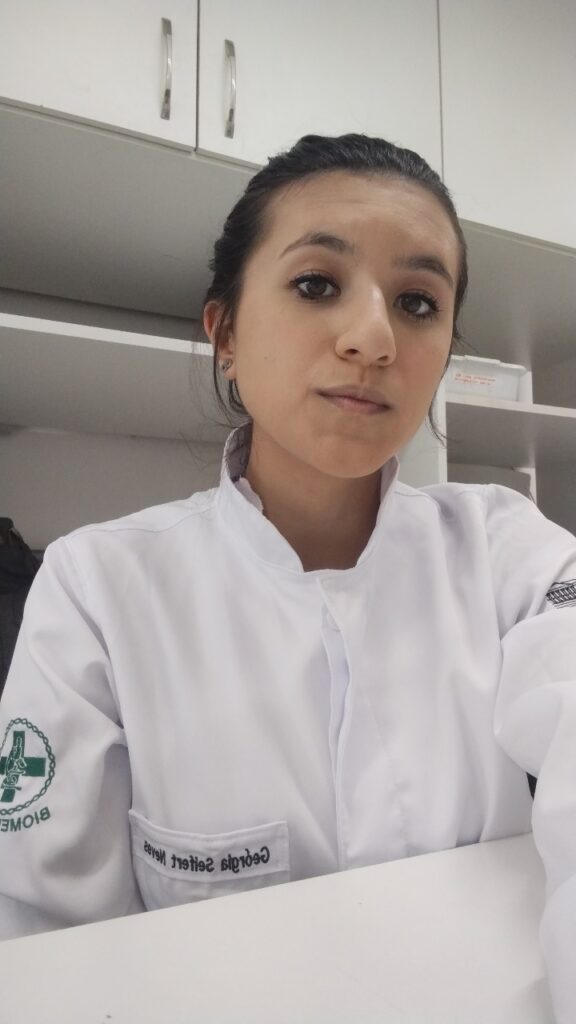

Project: ”Determination of cellular parameters after in vitro treatment with nanocomposites in a three-dimensional melanoma model”
Three-dimensional cell culture and coculture are methodologies capable of better representing tumor microenvironment architecture, introducing complexity to the in vitro model. Previous studies by our Research Group have shown that gold nanospheres functionalized with gum arabic have antitumor potential, reducing the three-dimensional growth of melanoma monoculture in vitro. Thus, this project aims to evaluate the effects of nanocomposites in an experimental model of tumor microenvironment in three-dimensional in vitro coculture of murine melanoma cell lines (B16-F10/GFP) and fibroblasts (BALB/3T3).
Start: 2022
Supervisor: Dr Carolina Camargo de Oliveira
Alumni
Post-docs
- Lattes: ttp://lattes.cnpq.br/6507934408359210
- 2019-2024 –Post-doc: MG-Pe: A Novel Galectin-3 Ligand with Antimelanoma Properties and Adjuvant Effects to Dacarbazine.
- 2016-2019 – PhD thesis: “Manogalactana parcialmente metilada de Pleurotus eryngii possui atividade antimelanoma sem efeito colateral”
- 2014-2016 – Master dissertation: “Avaliação antitumoral in vitro de polissacarídeos obtidos de fungos dos gêneros Pleurotus, Lentinus e Agaricus“


PhD Students

- Orcid: https://orcid.org/0000-0002-6609-148
- 2014-2016 Master dissertation: “Complexos naturais altamente diluídos alteram parâmetros de malignidade em melanoma murino”
- 2016-2020 PhD thesis: “Ouro e sílica na nanomedicina : materiais promissores para o desenvolvimento de novos tratamentos contra o câncer“
- 3MT – https://www.youtube.com/watch?v=QzDuS9ZZqJU
- Orcid: https://orcid.org/0000-0002-6609-148
- 2014-2016 Master dissertation: “Avaliação dos efeitos biológicos induzidos por polissacarídeos extraídos de algas em linhagem B16-F10 (Melanoma murino)” –
- 2016-2020 PhD thesis: “Avaliação da atividade antitumoral de uma galactana sulfatada obtida da alga verde Codium isthmocladum em modelos de melanoma murino“
- 2023-2024 Post-doc: “Immunomomdulaltory potential of polysaccharides from natural sources and its application in metastatic melanoma treatment”


- Orcid: https://orcid.org/0000-0002-7990-6977
- 2014-2016 Master dissertation: “Avaliação dos requisitos estruturais e sítios de ligação da molécula de heparina necessários para o estímulo da síntese do proteoglicano de heparam sulfato”
- 2016-2020 PhD thesis: “Heparin and desulphated heparins activity in murine melanoma and natural killer cells“
- 3MT: https://www.youtube.com/watch?v=f-lSPP2uVPI

- Orcid: https://orcid.org/0000-0002-2318-5277
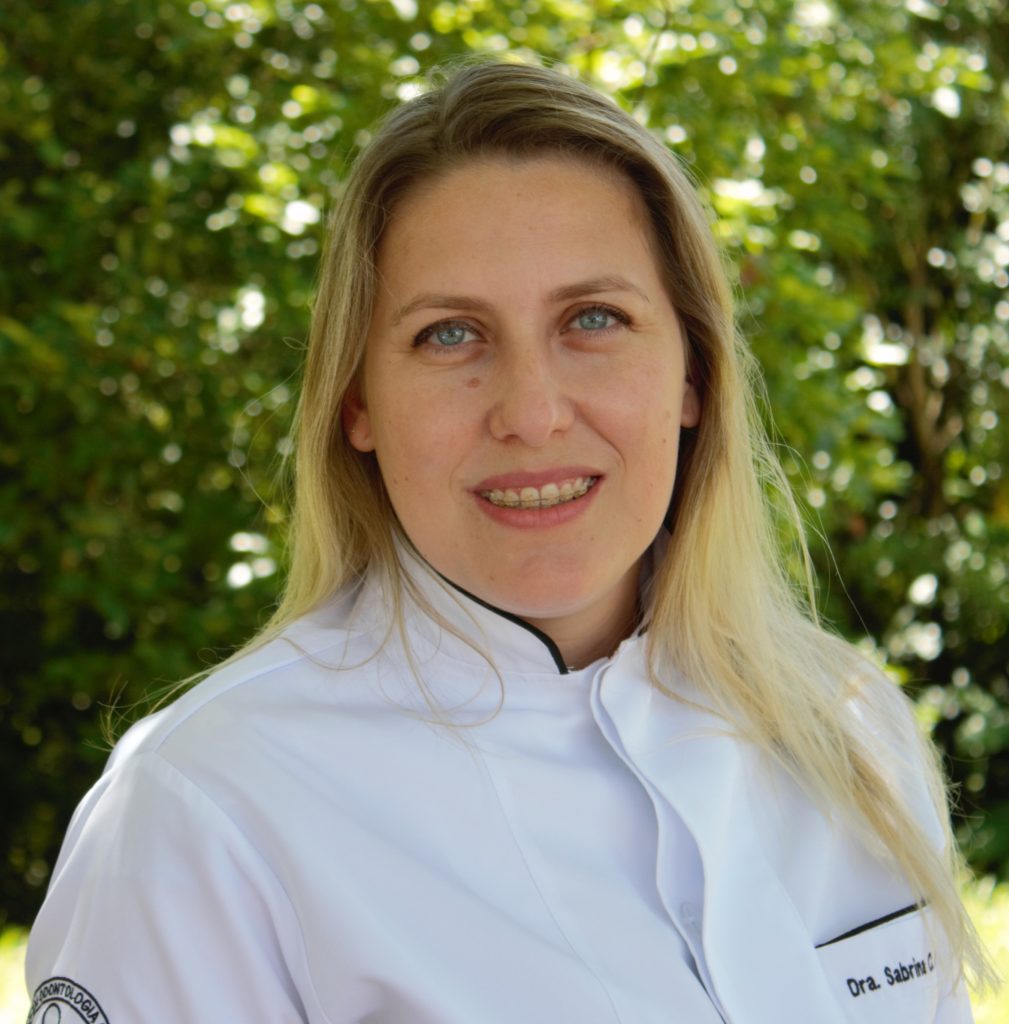
- 2020-2025 – PhD thesis: “Immunostimulating and antimetastatic activity of arabinogalactans from vegetable exudate gums”
- 2018-2020 – Master dissertation: “Propriedades antimelanoma e imunomoduladoras de polissacarídeos de gomas de exudatos vegetais (nativos e modificados quimicamente por sufatação)

- Orcid: https://orcid.org/0000-0001-8700-284X
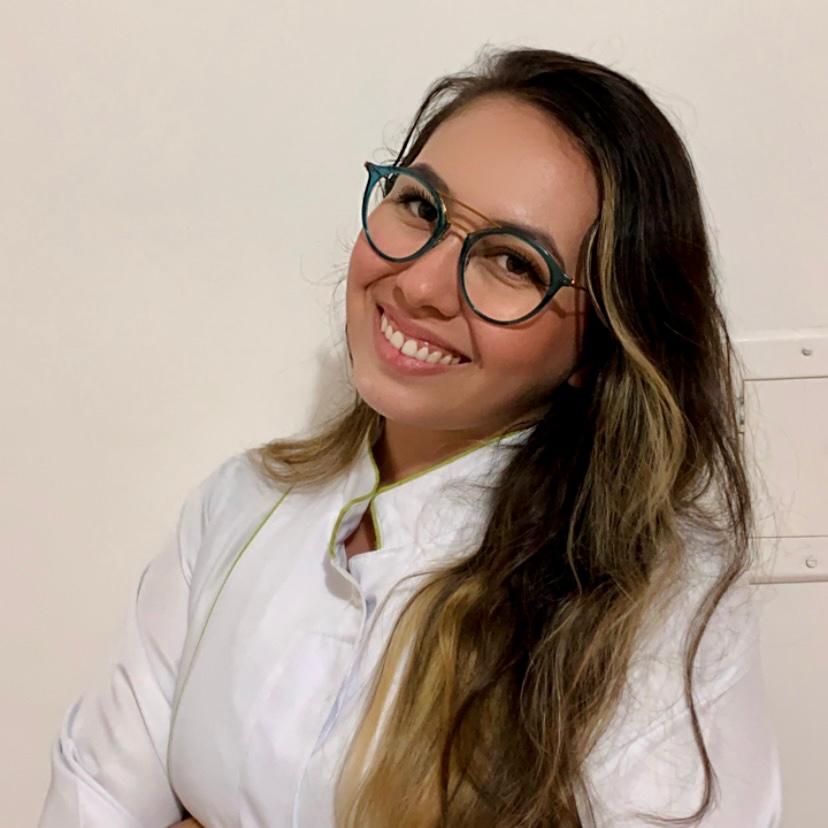
- 2019-2025 PhD thesis: “Evaluation of sulfated polysaccharides nanosystems antitumor potential in a melanoma model”
- Watch her video describing the project to a non-scientist audience
- Orcid: https://orcid.org/00000-0003-0709-7215
- 2021-2025 PhD thesis: “Therapeutic potential of gold nanoccomposite and pectic polysaccharide: antimelanoma effect in murine and human pre-clinical models”

Master Students
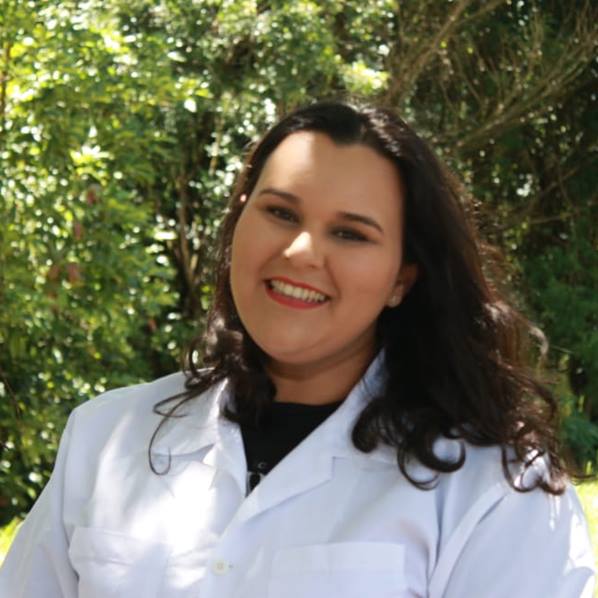
2018-2020 – Master dissertation: “Evaluation of antitumor activity of pectins extracted from prunes (Prunus domestica) in B16-F10 melanoma cells“
Supervisor: Dr Fernanda Fogagnoli Simas
Co-supervisor: Dr Carolina Camargo de Oliveira
Watch her video describing the project to a non-scientist audience

- Orcid: https://orcid.org/0000-0002-4200-1621
- 2020 – 2022 – Master dissertation: “Evaluation of antitumor activity of galactomanans in vivo“
Supervisor: Dr Edvaldo da Silva Trindade
Co-supervisor: Dr Carolina Camargo de Oliveira
Dr Fernanda Fogagnoli Simas
Watch her video describing the project to a non-scientist audience
IC – Students

2019-2020 Project: ” Development of nanostructured biosensors for detection and monitoring SARS-Cov-2″
The purpose of this project is to develop devices composed of nanostructured electrochemical biosensors that allow, quickly and sensitively, the detection of active SARS-CoV-2 infections the causative agent of COVID-19. In addition, this platform might be incorporated into different materials and be adaptable to other emerging viruses.
Supervisor: Dr Carolina Camargo de Oliveira
Watch her video describing the project to a non-scientist audience
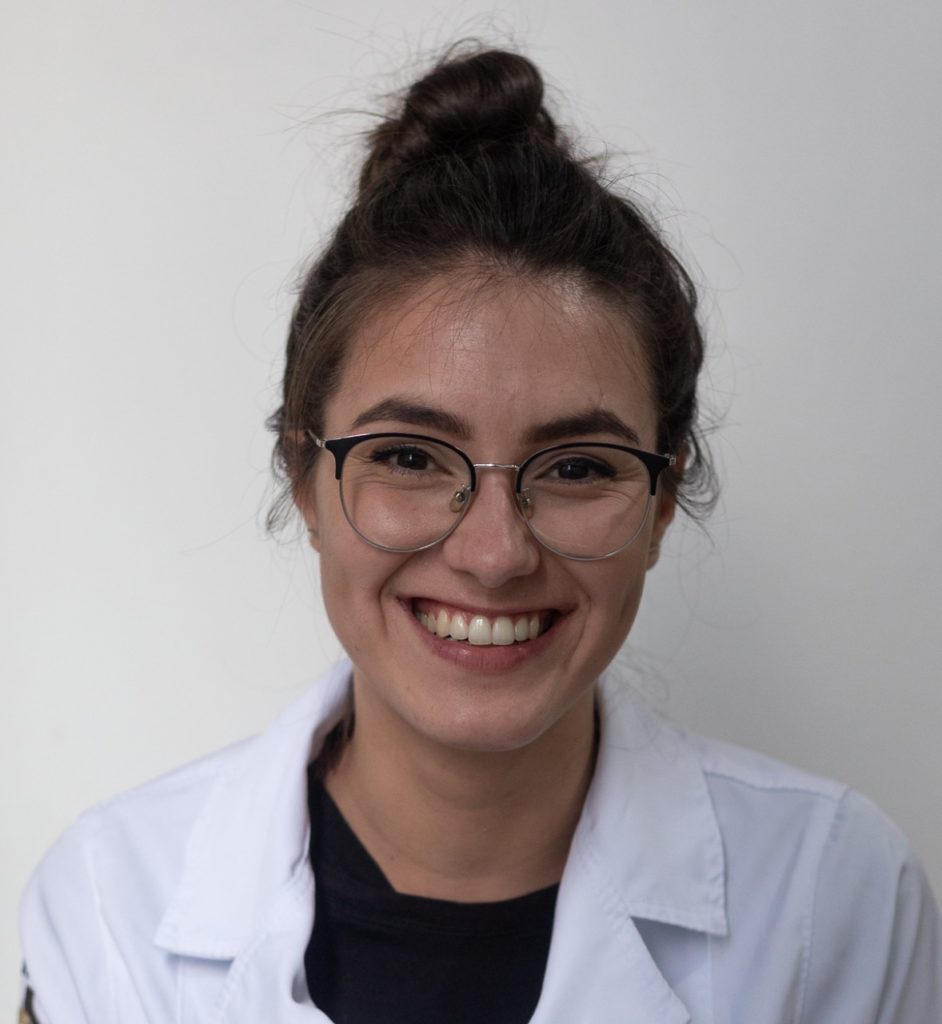
2020 – 2021 Project: “Evaluation of sulfated polysaccharides antimelanoma potential”
The current treatment methods to malignant melanoma causes several side effects to patients, so it is desirable to find effective and less cytotoxic novel therapeutic approaches. The aim of our research is to analyze the cytotoxicity and antimelanoma activity of the k-carrageenan, a galactan sulfated polysaccharide obtained from red seaweed Kappaphycus alvarezii, and its products partially and fully chemically oxidized.
Supervisor: Dr Edvaldo da Silva Trindade
Co-supervisor: Dr Fernanda Fogagnoli Simas

2021 -2023 Project: “Antigen and antibody production for serological test and detection of active
SARS-CoV-2 infection combined with biosensor development for rapid test.”
This project aims to develop an electrochemical biosensor for diagnosis of SARS-CoV-2
infection using anti-RBD nanobodies and Electrochemical Impedance Spectroscopy (EIS) as the detection method. This device, after validated, showing its sensitivity, reliability and
cost-effectiveness, can be implemented in point-of-care and even adapted to detect different antigens or antibodies. Furthermore, it works exempt from samples pre-treatment and additional reagents. The activities are developed in association with Macromolecules and Interfaces Research Group (GPMin) from the Chemistry Department at UFPR.
Supervisor: Dr. Carolina Camargo de Oliveira
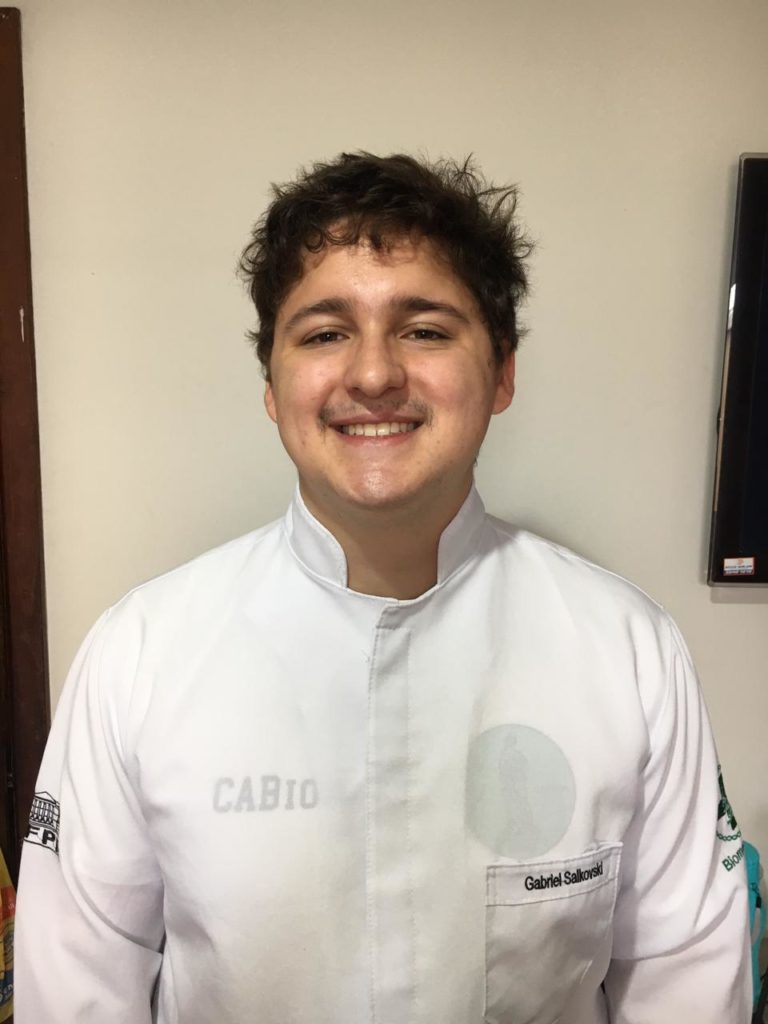
Project: “Standardization of protocols for obtaining three-dimensional models of murine cells”
Current cell culture methods have limitations, primarily because of the use of 2D culture methods that do not mimic the in vivo tissue in an in vitro platform. 3D culture methods are advantageous in this manner. The objective of the study is to develop a methodology to acquire spheroids, a type of 3D culture, using murine melanoma cells.
Start: 2019
Supervisor: Dr Carolina Camargo de Oliveira
